
For the love of Iftar ..
Iftar is, at its core, a moment of return. A pause at the end of the day. A table becoming a meeting point.
And if you’re probably wondering what iftar is, let us explain — it’s the marking of the moment when those observing Ramadan break their fast at sunset.
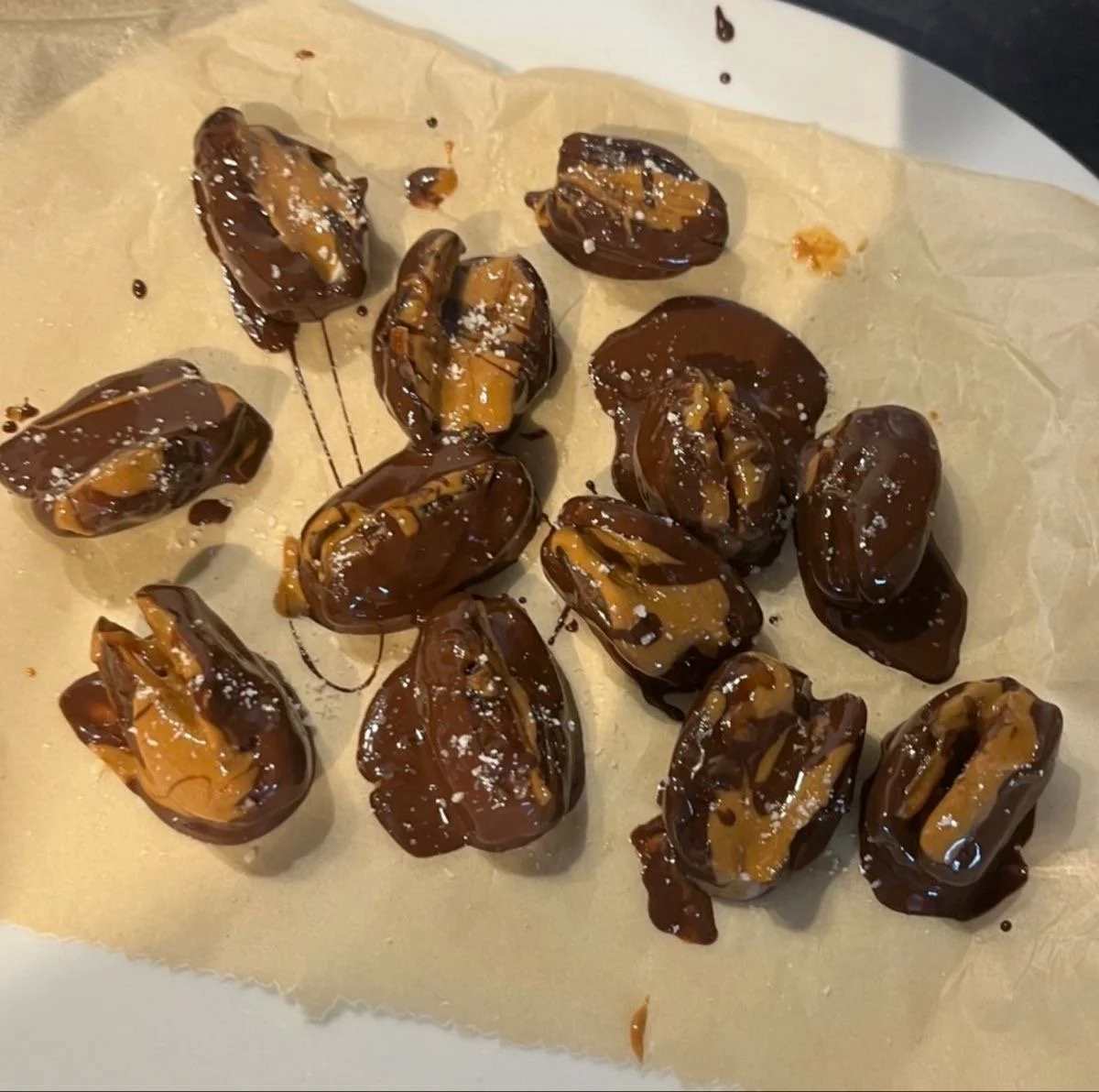
Traditionally, it begins simply, with a sip of water or the sweetness of a date — a small, grounding way to ease back into eating.
But more than that, it’s a reminder that food is rarely just food — it’s timing, care, and the simple comfort of not being alone with your hunger, your thoughts, or your day.
For those observing Ramadan, Iftar carries deep spiritual meaning. For others, it can simply be a beautiful daily ritual — a moment to slow down, to gather, to eat with intention.
Either way, it’s rooted in something universal.. coming together at the end of the day and sharing what we have.
And the best of Iftars don’t rush you. They unfold..
Think of iftar less as a menu and more as an atmosphere you want to create — something you feel before you plan.
It lives in the way the table is set, the way light moves through the room, the way people arrive and slowly settle.
By the time the first plate is served, the evening has already begun..
The way people arrive — slowly, carrying the day with them. These details do more for the evening than any complicated dish ever could.
To start, always keep it simple, some water in clear curated glasses. A small plate of dates. Nothing more than what’s needed to mark the moment. This isn’t about ceremony — it’s about transition.
From there, keep the table intentional. One warm dish to start. A few familiar plates designed to be shared. With food that holds the space rather than competes for attention.
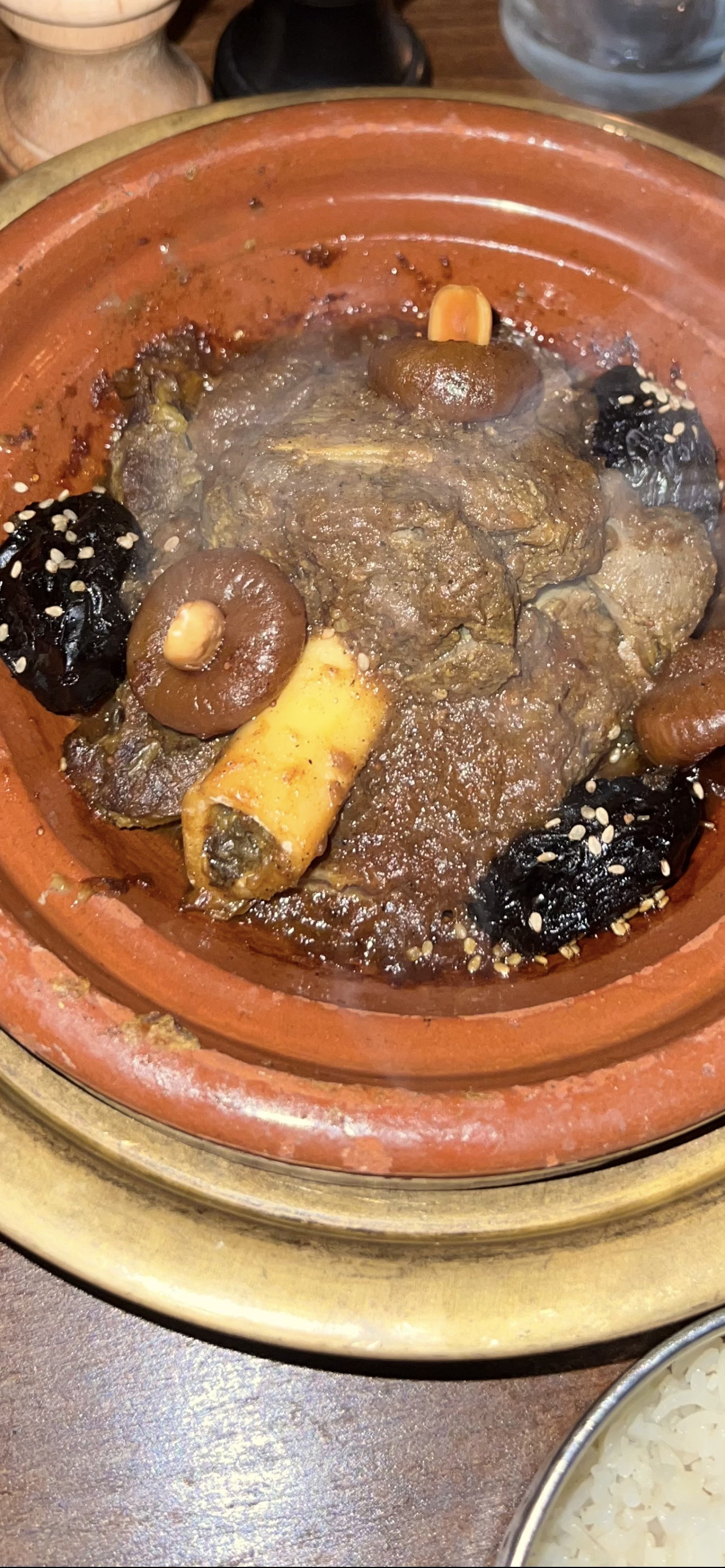
The kind of meal that allows conversation to lead and time to stretch. For us, a simple Tagine is always a house favourite.
It’s comforting, a little theatrical in its own quiet way, and somehow gets the conversation going from the very first spoonful.
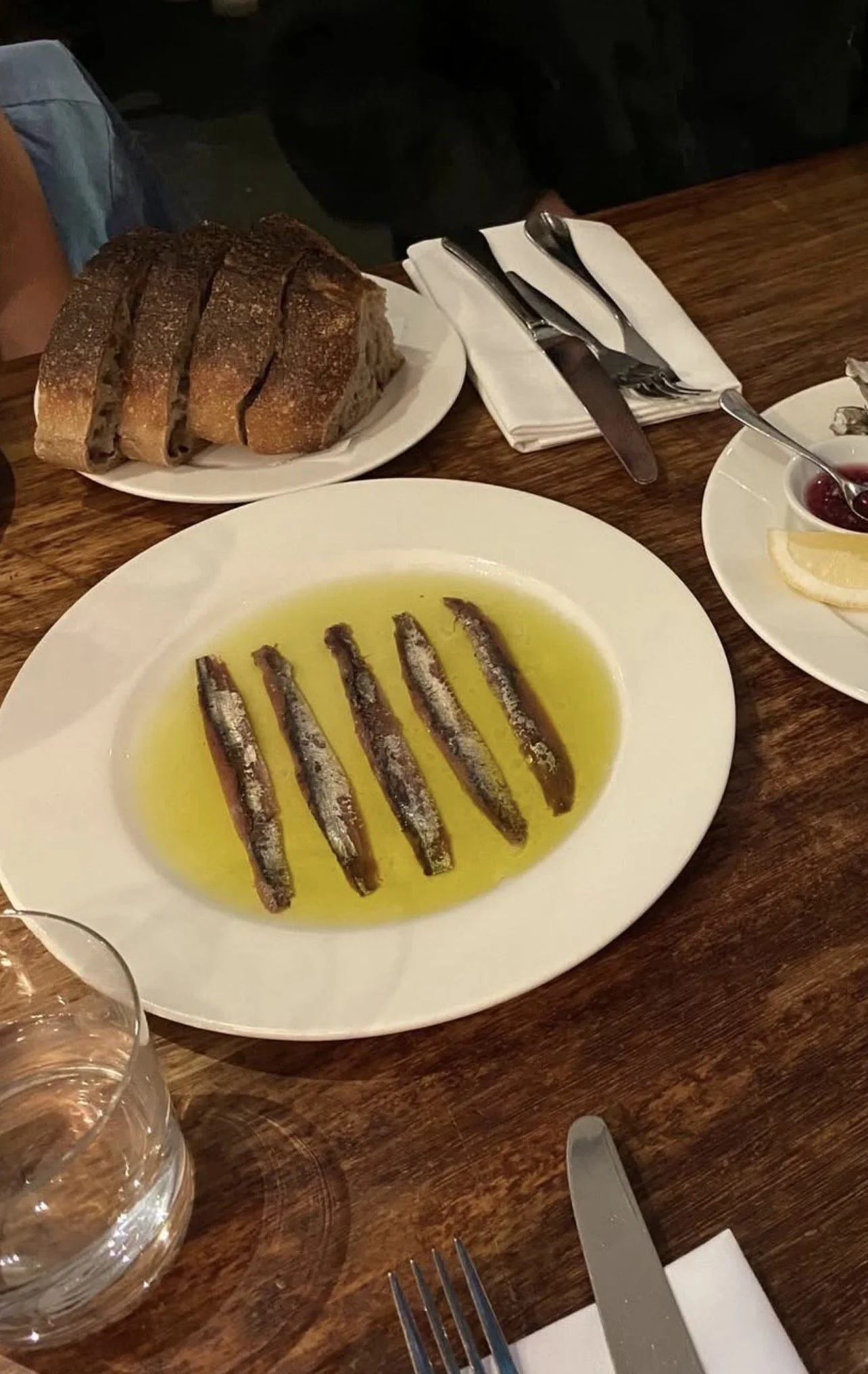
Around it, we like to keep things unfussy. Something fresh on the table. Bread meant for tearing and passing, water poured often…
The kind of spread that feels generous without feeling busy. The table doesn’t need to be perfect — it just needs to feel lived in. Plates shifting, glasses moving, people gently leaning in.
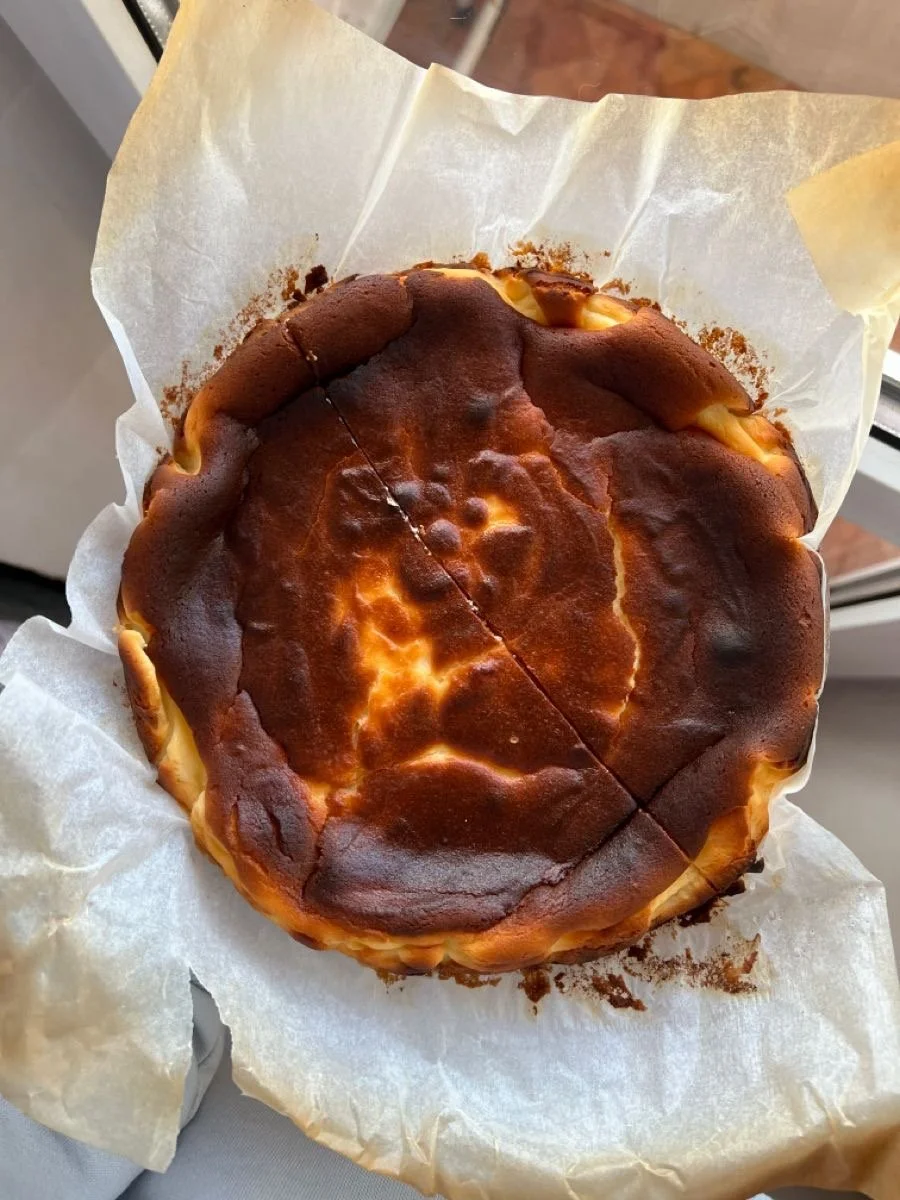
These are the details that turn any Iftar into an evening. When it’s time for something sweet, think light. A small pastry, some fruit, something to have with tea.
Not an ending that demands attention, but one that lets the moment linger a little longer.
What stays with people isn’t what you served — it’s how it felt to be there.
The pace of the night, the ease of the room, the sense that no one was in a hurry to leave.
And that, to us, is what Iftar does best.
It creates space — for conversation, for quiet, for being together without needing an occasion beyond the day itself.
So wheather you’re hosting at home, joining friends, or stopping by for something warm and simple, the invitation is the same…
Come as you are, sit for a while, and let the evening unfold.
houseofkholoud.com