
A quiet form of storytelling..
Storytelling comes in many forms. Sometimes it’s spoken aloud, sometimes written down, and sometimes it’s in the things that are not said—or left unsaid.
It’s literally everywhere if you look closely..
Often unfolding naturally through food, gestures, colour, and fabric, carrying meaning that is both personal and shared.
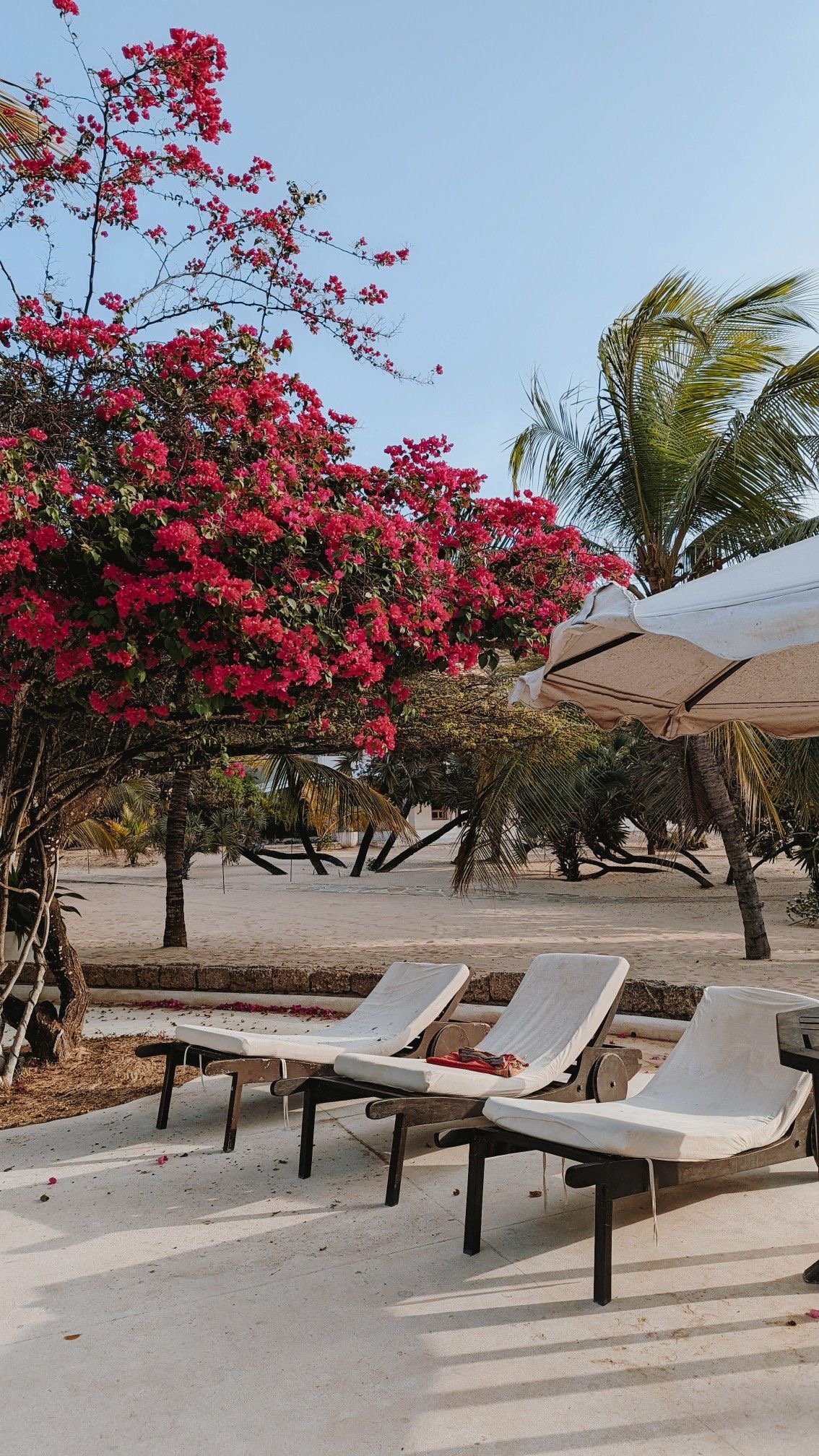
If you’ve been keeping up with our stories, you’ll probably notice by now that the team is thankfully back from their trip—with them, discoveries and stories that can make even an empty room feel full.
From the bustling streets of Mombasa to the quieter corners of surrounding towns, every step of their journey tells a story of colour, texture, and rhythm—a narrative moving alongside them, waiting to be noticed.
One of the new discoveries is the quiet form of poetry in the Kanga, a traditional cloth—typically a rectangular piece of cotton, often brightly coloured, patterned, and adorned with a border.
At first glance, it’s a simple piece of fabric, but in practice, it so much more..
Folded, draped, and tied around waists, shoulders, or heads, it moves with the body and carries meaning in both it’s design and the messages printed along its edges.
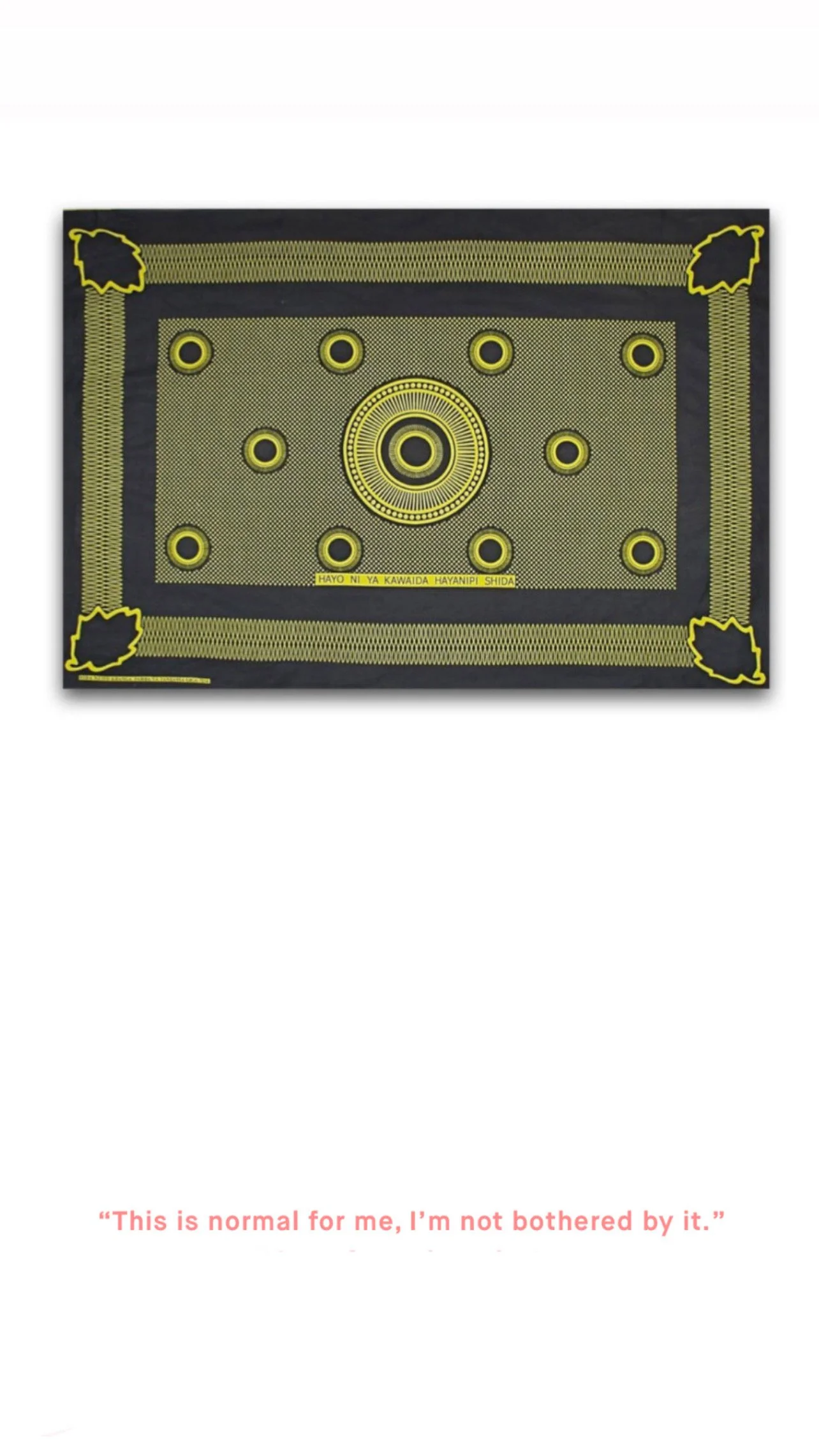
The kanga has a rich history, dating back to the 19th century, shaped by trade, colonial textiles, and local craftsmanship.
Beyond its practical use as a garment, it carries messages—ujumbe—woven into everyday life, a subtle, living poetry that invites curiosity without revealing everything at once. But soon, you notice something more.
“Every hem carries words—ujumbe,” our guide explained.
These messages, printed boldly along the edges, often take the form of poetic lines.
They exist as a quiet conversation woven into daily life—intimate yet public, personal yet shared.
Mostly worn by women, the kanga was everywhere we’d go, our guide would often translate some of the meanings of what seemed mostly intriguing.
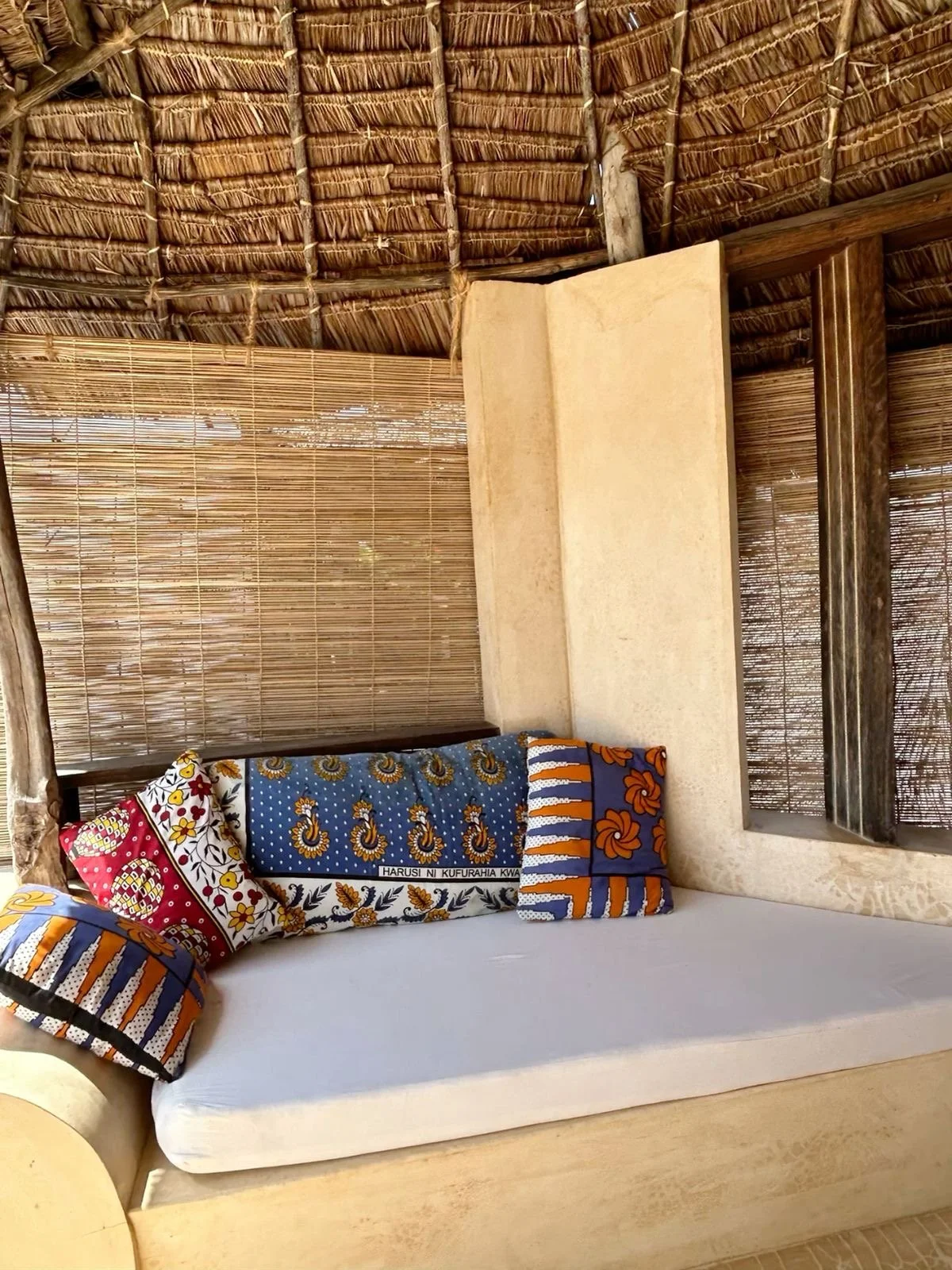
“Mwenye subira hula mbivu,” she said with a knowing smile—“patience ripens the sweetest fruit.”
Then she pointed to another line: “Usipoteze muda kwa wasiokuthamini”—don’t waste time on those who don’t value you.
She explained that it’s not just the words themselves that carry meaning, but the way they live with the wearer.
Each kanga folds and flows with the body, catching the wind as women walk or work—turning fabric into a quiet conversation, a subtle poetry in motion.
It’s remarkable how, wherever you go, clothing carries the weight of history, the touch of humour, the strength of resilience, and the bonds of connection.
Some loud and bold, others quiet and intimate—gently offering advice, celebrating moments, and sometimes challenging the status quo.
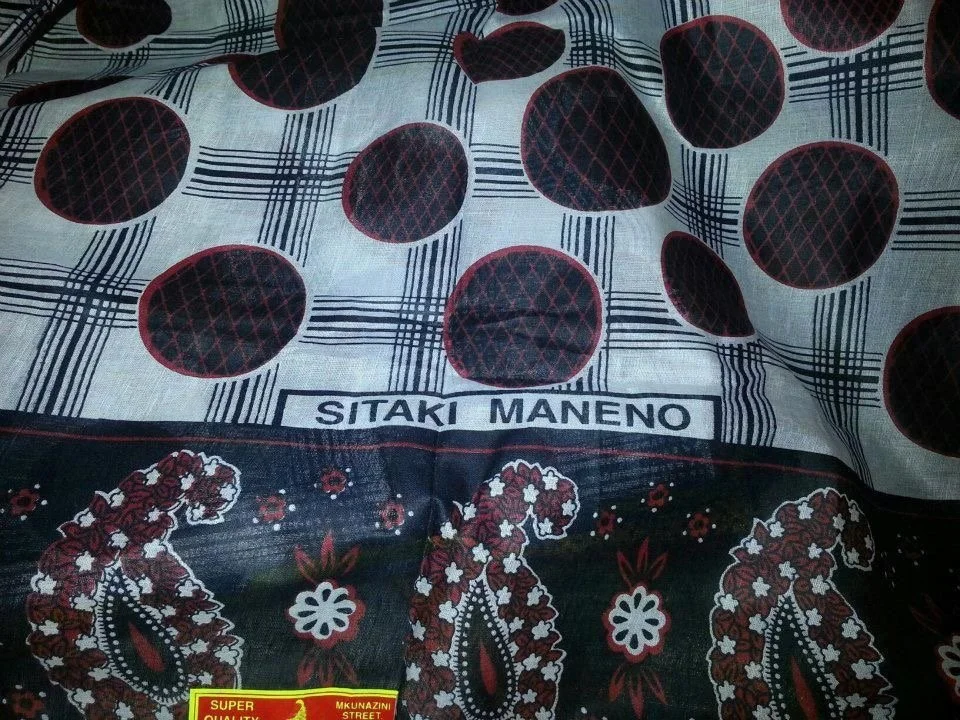
Here, the kanga quietly continues the thread of storytelling—it speaks without words, shaped by the wearer, the movement, and the moments it encounters.
Each piece carries its own narrative, intimate yet shared, echoing the idea that stories can live in the things left unsaid as much as in those spoken aloud.
In every fold and flutter, the kanga tells stories, carries culture, and captures emotion—making the everyday extraordinary.
There’s something to be said about the often quiet form of storytelling, and as December approaches, we find ourselves reflecting on this journey.
Much like the kanga and its elegant poetry, we’ve learned this year that some stories don’t need to be spoken aloud to be felt.

In our travels, it’s easy to see that the kanga is more than just fabric—it’s a vessel of quiet, intimate storytelling, carrying messages, gestures, and meaning with every fold and flutter.
It celebrates the small gestures that often hold more meaning than words ever could.
The way they are written, with care and intention, and the choice of the person who wears them, says far more than the words or the fabric itself.
Being able to see and understand the elegant poetry—even through translation—gives these moments a resonance that continues to linger long after the person wearing them has passed..
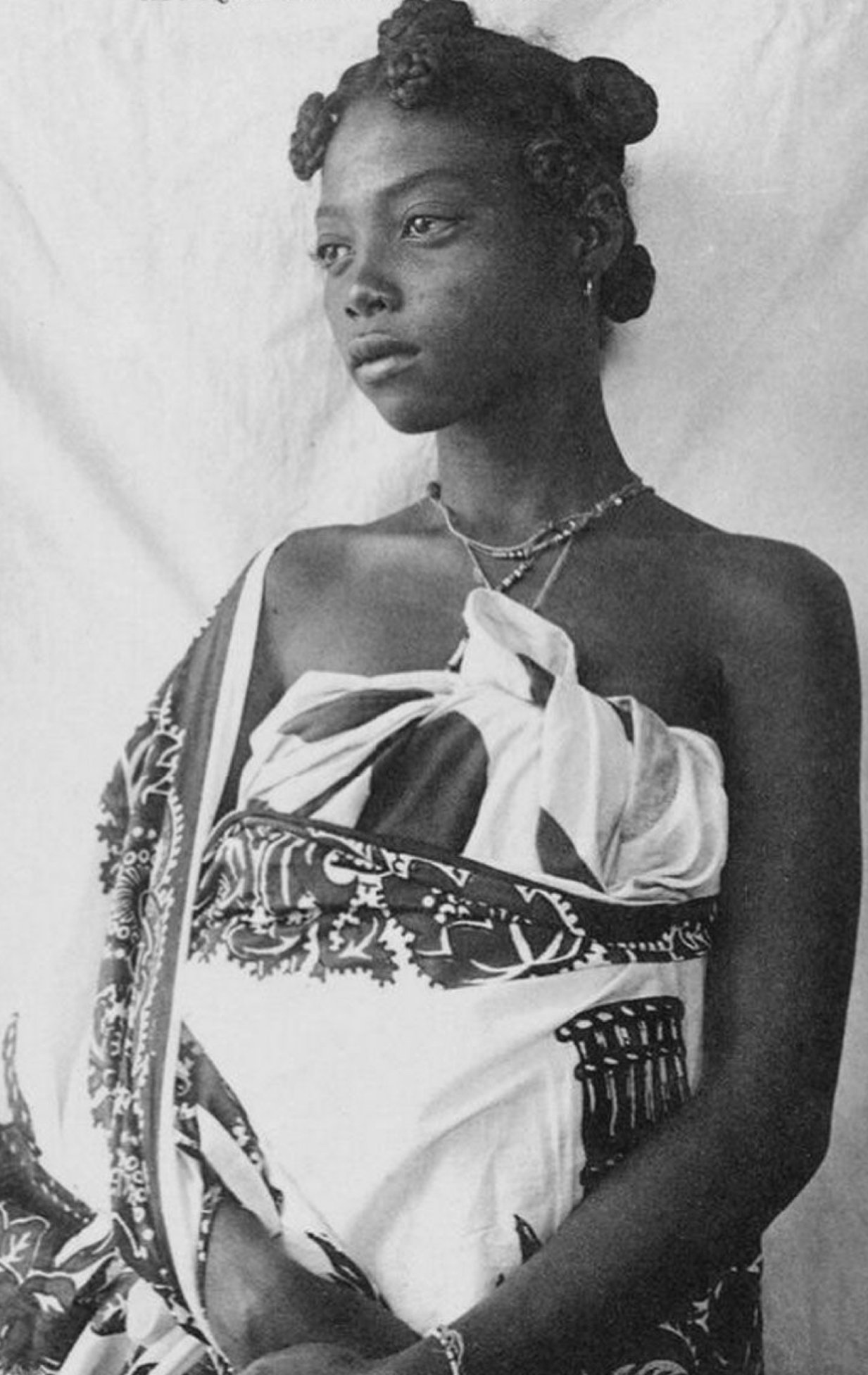
These threads of storytelling extend beyond a single cloth, hinting at traditions waiting to be discovered elsewhere.
They allow us to follow familiar threads that carry stories, gestures, and meaning across time and space.
Perhaps on a future trip, we might trace them further west—to Senegal or other parts of Africa—to see how similar traditions in textile, fashion, craft, and literature take shape in new colours, forms, and stories.